SilTest at MWC Barcelona 2025: powering smarter semiconductor testing
Engineering teams told us the same thing all week: they are drowning in data but still struggling to get an answer out of it.
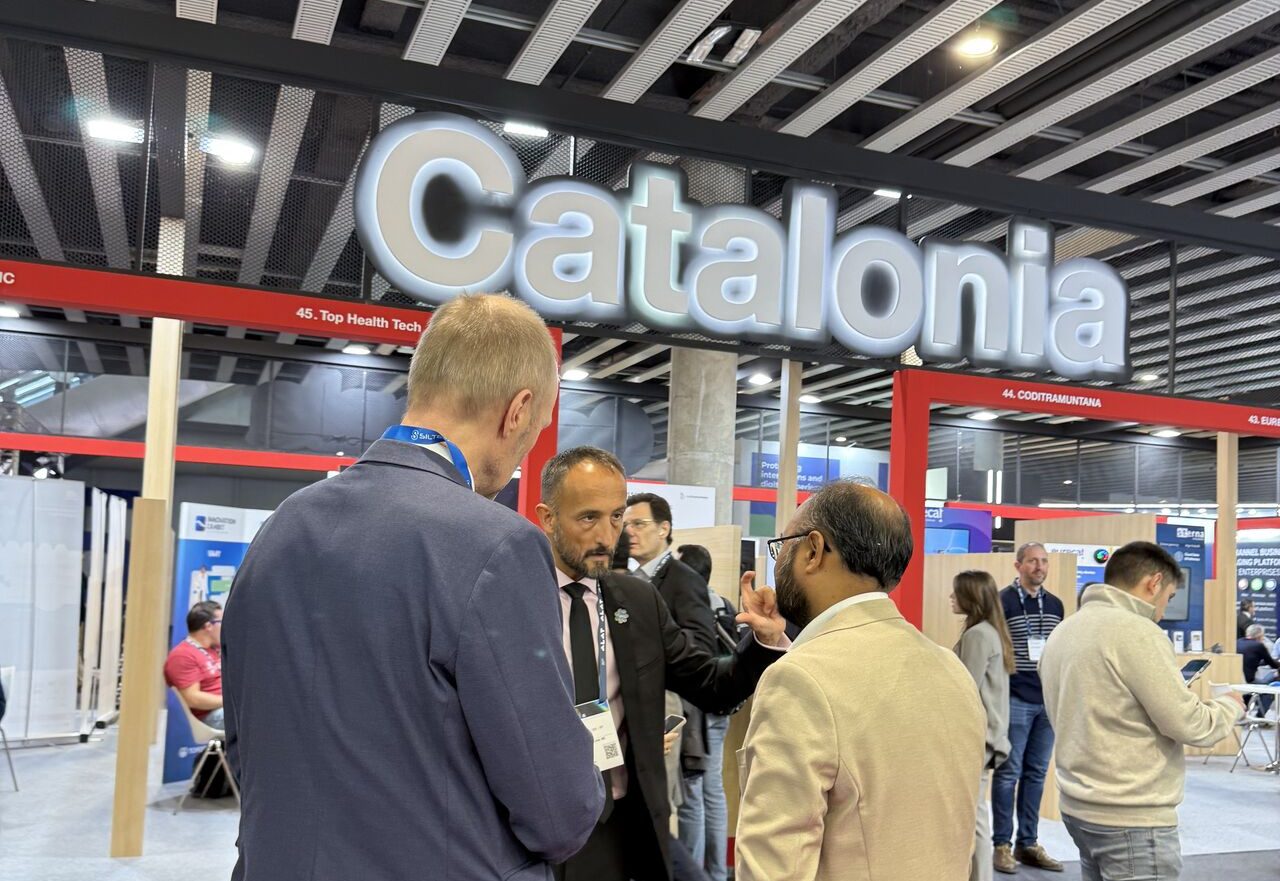
MWC Barcelona 2025 was not only about smartphones and 6G. It was also a reminder of how central semiconductor test and data intelligence have become to the future of connected devices.
We joined the conversation with a simple message: testing is an opportunity, not a bottleneck.
What we showed
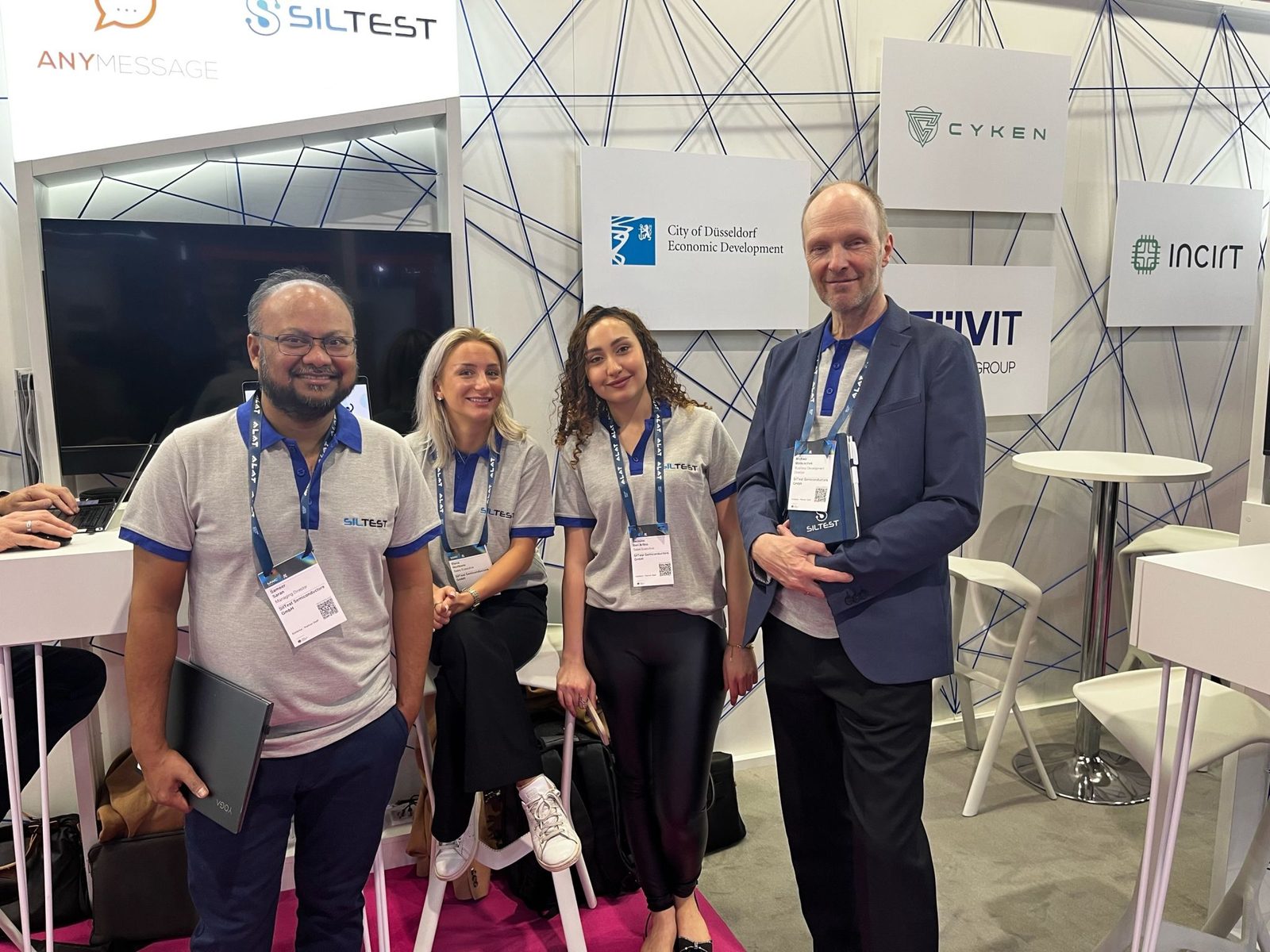
At our booth we demonstrated the tools and workflows that help teams improve post-silicon test efficiency, reduce escapes, and make better engineering decisions with less manual overhead.
YieldOptiX
An STDF analysis platform that works inside JMP. Engineers use it to:
- Spot yield dips earlier
- Visualize failure clusters across wafers
- Run instant comparisons across lots or test programs
- Apply pattern recognition without writing custom scripts
AutoMigreX
A test automation module that simplifies migration of test flows across ATE platforms. It suits engineering teams scaling across geographies or working with legacy setups.
SilTest Academy
Hands-on training that helps chipmakers onboard junior engineers, cross-train teams, or build internal debug and yield analytics skills, using real data rather than slides.
Why it mattered
In conversations with dozens of engineering managers and test teams, one theme came up again and again: they are drowning in data but still struggling to get actionable insight from it.
Chips are more complex, timelines are tighter, and test escapes cost more than ever. What teams need is not more data, but better ways to process it across test, qualification, and debug.
Our tools are:
- Purpose-built for post-silicon workflows
- Deployable on real ATE data, not academic models
- Customizable without becoming consulting-dependent
Who we met
Over the week we connected with fabless companies scaling up for automotive and MEMS, R&D labs that need better debug flows, European universities exploring a test curriculum partnership, and industry leaders looking for smarter ways to link qualification and yield.
What it means
Semiconductor innovation does not end at design. It lives in the data, from first silicon to high volume production. The companies that move fastest from failure to fix, and from lot data to yield insight, are the ones that will lead on reliability and efficiency.